
When the Right Talent is Missing
In the fast-paced world of technology, hiring the wrong person can do more than just slow a project down – it can cost a business significant time, money, and reputation. A mismatched hire often struggles to meet project requirements, leading to missed deadlines and increased stress for the rest of the team. For businesses trying to innovate or scale quickly, every delay can translate to lost opportunities in a highly competitive market.
The Ripple Effect on Projects and Teams
The consequences of poor tech hiring extend beyond the individual employee. When a team member lacks the required skills or experience, other employees often have to compensate, which can lead to burnout and lower overall productivity. Quality issues can arise, forcing rework, which further delays project timelines and inflates budgets. In some cases, software bugs or security gaps introduced by inexperienced hires can affect customer trust and brand reputation, making the cost far greater than the initial salary savings.
Financial and Strategic Implications
Hiring mistakes can be expensive. Research shows that replacing a tech employee can cost up to twice their annual salary when you consider recruitment, onboarding, and lost productivity. Beyond the financial burden, poor hires can disrupt long-term strategic goals, especially in areas like AI, cloud solutions, and cybersecurity, where specialized skills are crucial. For businesses looking to stay ahead, talent misalignment is not just a hiring issue – it’s a strategic risk.
How Businesses Can Avoid the Pitfalls
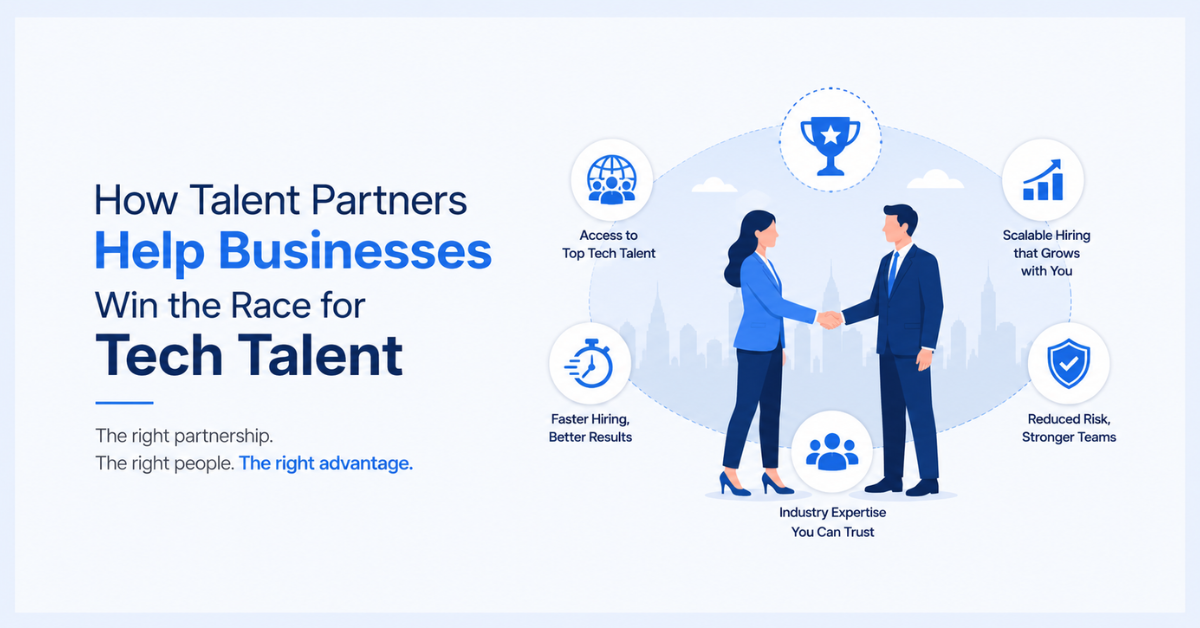
Preventing costly tech hiring mistakes starts with clarity in the recruitment process. Businesses must define not just the technical skills required but also the cultural and problem-solving fit for the team. Structured interviews, skills assessments, and trial projects can help gauge real-world capabilities. Partnering with staffing solutions or recruitment firms that specialize in tech can also reduce the risk by providing access to pre-vetted candidates with proven expertise. Continuous upskilling and mentorship programs further ensure that employees evolve alongside the technology landscape, minimizing long-term risk.
Conclusion: Investing in the Right Hire Pays Off
While hiring mistakes are inevitable from time to time, the hidden costs of poor tech hiring can be mitigated with a proactive, strategic approach. By prioritizing both skills and fit, businesses can protect projects, safeguard their reputation, and accelerate growth. In tech, the right hire isn’t just a resource – it’s a competitive advantage.