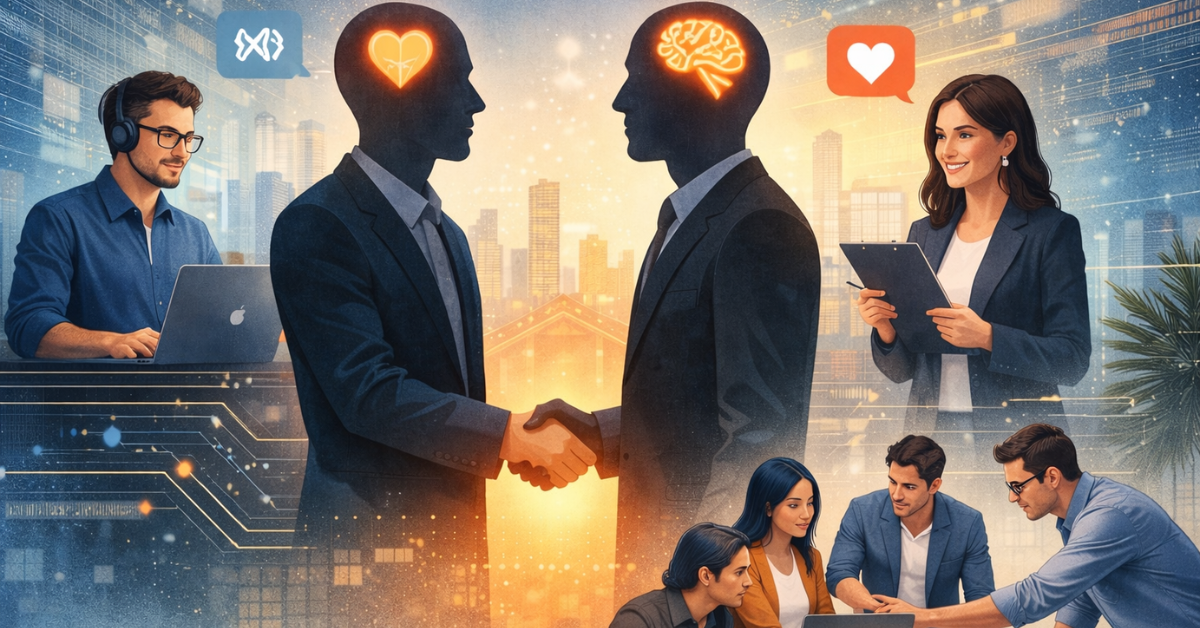
The IT industry has always been driven by technical skills. Companies look for strong coding ability, cloud certifications, cybersecurity expertise, AI knowledge, and problem-solving capability. But today, technical skills alone are not enough. In modern IT recruitment, emotional intelligence is becoming a true competitive advantage.
As technology evolves rapidly, businesses are realizing that hiring the right mindset matters just as much as hiring the right skill set.
What Is Emotional Intelligence in IT Hiring?
Emotional intelligence, often called EI or EQ, is the ability to understand your own emotions and manage them while also understanding and responding effectively to others.
In technical recruitment, emotional intelligence shows up in many ways. It appears in how a developer communicates with a team, how a project manager handles pressure, how a tech lead gives feedback, and how an employee adapts to change.
You can teach someone a new programming language. You can train them in cloud computing or DevOps. But teaching empathy, accountability, collaboration, and self-awareness is much harder.
That is why emotional intelligence in IT recruitment is becoming a key focus area for HR leaders and hiring managers.
Why Technical Skills Alone Are Not Enough
Many IT companies have experienced this problem. A candidate performs exceptionally well in technical interviews. Their coding test is perfect. Their resume is strong. But once hired, things do not go as expected.
They struggle with teamwork. They resist feedback. They find it difficult to communicate with clients. They cannot handle project pressure.
This is where emotional intelligence makes the difference.
In today’s IT environment, most projects are collaborative. Teams work across different cities and countries. Remote and hybrid work models are common. Client interaction is frequent. Agile and Scrum frameworks demand communication and adaptability.
Without soft skills in tech hiring, even the most technically skilled employee may not perform at their full potential.
Emotional Intelligence Improves Team Performance
High emotional intelligence leads to better teamwork, better conflict resolution, and stronger leadership.
An emotionally intelligent developer listens before reacting. A team lead with strong EQ understands team morale. A project manager with empathy can manage client expectations calmly during crisis situations. In IT staffing and talent acquisition, this directly impacts project success.
When recruitment strategies focus only on technical assessments, companies risk hiring individuals who may struggle in collaborative environments. But when hiring managers assess emotional intelligence along with technical ability, they build balanced and high-performing teams. That balance is what gives organizations a competitive advantage.
Emotional Intelligence Reduces Attrition
Employee attrition is a major concern in the IT industry. High turnover increases hiring costs, disrupts projects, and affects client satisfaction.
One overlooked reason for attrition is poor cultural and emotional fit.
Employees who lack emotional intelligence may find it difficult to handle stress, feedback, or team dynamics. On the other hand, employees with strong EQ adapt better, communicate openly, and build stronger workplace relationships.
By incorporating emotional intelligence assessment into technical recruitment, companies can improve employee engagement and retention.
Hiring right is not just about filling a position. It is about building long-term value.
How IT Recruitment Can Assess Emotional Intelligence
Unlike technical tests, emotional intelligence cannot be measured with a simple coding challenge. It requires thoughtful interviewing and observation.
Behavioral interview questions help reveal how candidates handled real situations in the past. Scenario-based discussions show how they respond to conflict or failure. Group discussions can highlight collaboration skills.
Recruiters and talent acquisition teams need to look beyond resumes and certifications. They need to understand how candidates think, react, and grow.
The future of IT hiring is not just skill-based. It is people-focused.
The Future of IT Recruitment
As artificial intelligence and automation continue to grow, technical skills will keep evolving. New tools, programming languages, and technologies will emerge every year. But one thing will remain constant – the need for human connection.
Machines can write code. AI can automate processes. But empathy, leadership, adaptability, and communication are deeply human traits.
Organizations that integrate emotional intelligence into their recruitment strategy will build stronger teams, better leaders, and more resilient workplaces.
In the competitive world of IT staffing and talent acquisition, emotional intelligence is not a soft extra. It is a strategic advantage.
The companies that understand this today will lead tomorrow.